

Short answer: a standard custom challenge coin is 1.5-2 inches (38-50 mm) in diameter, 2.5-3 mm thick, and weighs 20-35 grams struck in zinc alloy. The most common spec — and the one most organizations order — is 1.75″ (44.45 mm) × 3 mm, die-struck zinc alloy with dual-sided soft enamel, gold or antique plating, and a diamond-cut edge.
Last updated: November 2026. All figures are FactoryPins production specifications for die-struck zinc alloy coins.
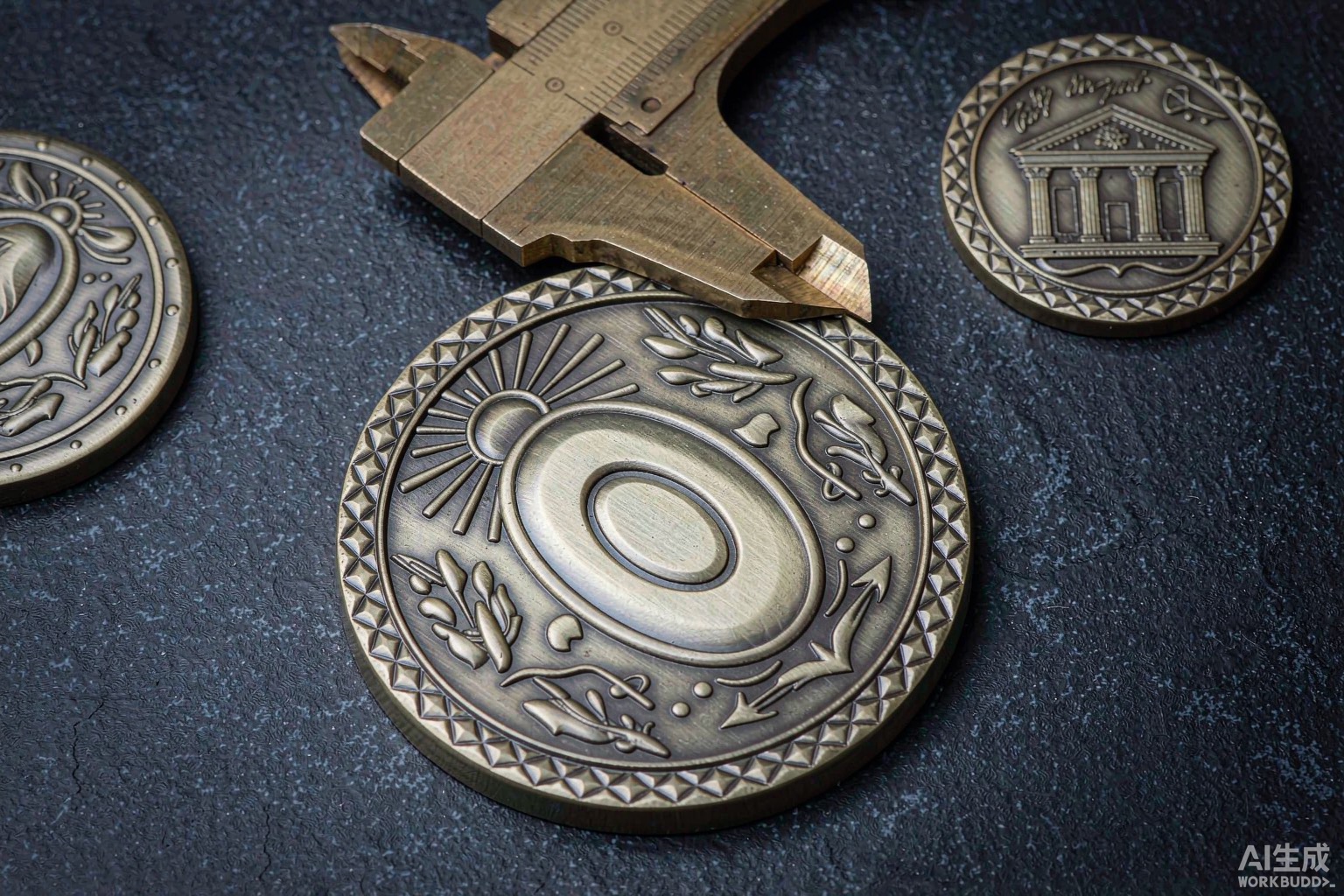
Standard Specification Table
| Spec | Standard range | Most common order |
|---|---|---|
| Diameter | 1.25″-3″ (32-76 mm) | 1.75″ (44.45 mm) |
| Thickness | 1.5-4 mm | 3 mm |
| Weight (1.75″ × 3 mm, zinc alloy) | — | 24-28 g |
| Base metal | Zinc alloy (standard), brass, iron, copper | Zinc alloy |
| Color process | Soft enamel, hard enamel, printed, 2D/3D sculpted | Soft enamel, both sides |
| Plating | Gold, silver, nickel, black nickel, antique brass, antique silver, dual plating | Antique gold |
| Edge options | Diamond cut, oblique, smooth, rope, reeded | Diamond cut |
| MOQ / Mold fee | 50 pcs / $35-70 one-time | — |
| Production time | 14-18 days after proof approval | — |
Thickness Guide by Diameter
Thickness drives both perceived quality and unit cost — a 4 mm “pill” coin feels premium but adds 30-50% to unit price versus 2 mm:
| Diameter | Thin (2 mm) | Standard (3 mm) | Premium (4 mm) |
|---|---|---|---|
| 1.5″ (38 mm) | ✔ light feel | ✔ | ✔ chunky |
| 1.75″ (44.5 mm) | ✔ | ✔✔ most common | ✔ |
| 2″ (50 mm) | ✔ feels flimsy | ✔ | ✔✔ presentation grade |
| 2.5″+ (63 mm+) | ✘ too thin | ✔ | ✔ medal grade |
Weight Reference (Zinc Alloy)
- 1.5″ × 3 mm: ≈ 17-20 g
- 1.75″ × 3 mm: ≈ 24-28 g
- 2″ × 3 mm: ≈ 30-35 g
- 2″ × 4 mm: ≈ 40-46 g
Rule of thumb: every +0.5 mm of thickness adds roughly 8-11 g at the 1.75-2″ sizes. If the coin is meant to be flipped, spun or “tested” in challenge traditions, 3 mm or thicker at 1.75″+ is the floor for a satisfying hand feel.
Plating and Finish Options
| Finish | Look | Best for |
|---|---|---|
| Polished gold / silver | Mirror bright, formal | Executive gifts, anniversary coins |
| Antique gold / silver / brass | Dark wash settled into recesses | Military, EMS, collector coins — the classic challenge coin look |
| Black nickel | Gunmetal, modern | Corporate and tech-branded coins |
| Dual plating | Two tones on one coin | Premium orders; adds 15-30% to unit cost |
3D vs 2D Design
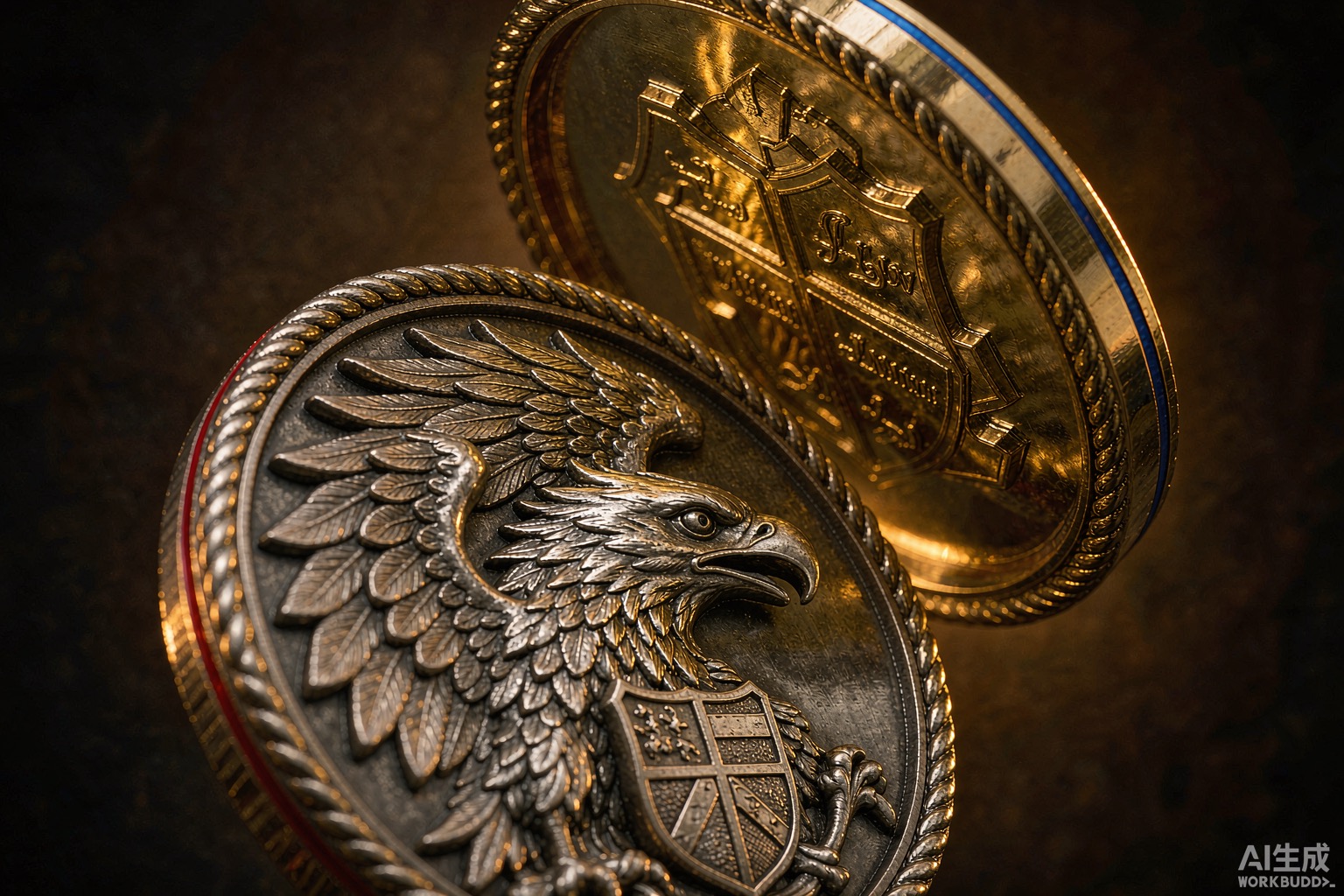
A 2D coin has flat raised/recessed levels (like a pin). A 3D coin is sculpted with graded relief — portraits, animals, buildings come alive. 3D sculpting adds a modeling step: budget 2-3 extra days and roughly $10-25 more on the mold fee. 3D works best with antique plating, which settles into the sculpted relief and exaggerates depth.
What Doesn’t Work on Challenge Coins (Be Honest)
- Tiny text under 1.5 mm at 1.5″ diameter: the struck relief can’t hold it; either enlarge the coin or cut the text.
- Full-color photographic faces: enamel can’t reproduce photos; use printed coin process or accept stylized 3D relief.
- Coins under 1.25″: they stop reading as “coins” — medallion weight is the point of the product.
FAQ
What size should a custom challenge coin be?
The most common custom challenge coin size is 1.75 inches (44.45 mm) in diameter at 3 mm thickness — large enough to carry detailed two-sided artwork and heavy enough for the traditional hand feel. Coins under 1.25 inches feel like tokens; presentation coins run 2-3 inches.
How much does a challenge coin weigh?
A standard 1.75″ × 3 mm zinc alloy challenge coin weighs 24-28 grams. Weight scales with diameter and thickness: a 2″ × 4 mm presentation coin reaches 40-46 g. If the coin will be flipped or spun, choose 3 mm thickness or greater.
How much does a custom challenge coin cost?
Factory-direct, a 1.75″ × 3 mm soft enamel coin runs roughly $1.80-$3.20 per unit at 100 pieces, plus a $35-70 mold fee. Plating choices and 3D sculpting move the number: dual plating adds 15-30% and 3D sculpting adds $10-25 to the one-time mold cost.
Can a challenge coin have different designs on each side?
Yes — dual-sided design is standard and included in the base mold for most factories: front face, back face, and an optional edge treatment. A third design element (such as text around the rim) can be added to the edge cut without a separate mold.
What is a diamond-cut edge on a challenge coin?
A diamond-cut edge is a faceted, angular border cut into the coin’s rim after striking — the most popular edge style because it catches light and signals a finished, jewelry-grade coin. Alternatives include smooth, rope, reeded and oblique edges, typically at no extra cost.